
Don't Let Them Scrap the Roadless Rule
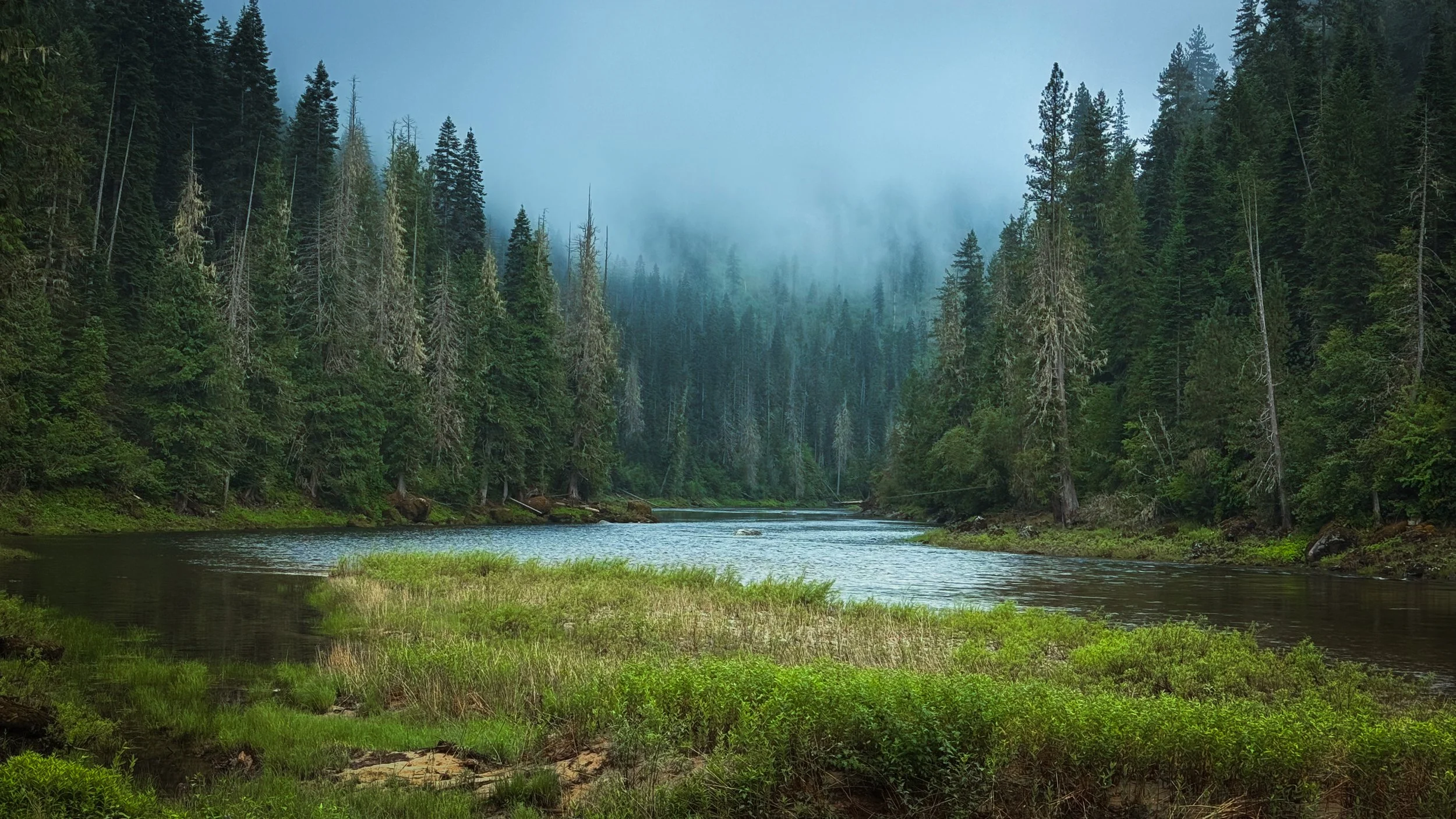
Selway River
Public lands are once again facing a major threat. I’m going to assume that you’ve seen a flurry of articles, newsletters, and social media posts about the Forest Service’s intent to rescind the national 2001 Roadless Area Conservation Rule, which, as the name implies, restricts road-building activities on nearly 45 million acres of National Forest lands. For more than two decades, this rule has helped protect incredibly high-value hunting, fishing, and recreational swaths of National Forest System (NFS) lands while also buffering aquatic ecosystems and drinking water supplies for millions of Americans.
This move by the Administration is cause for alarm and one that demands our attention. While petitions can help at the margins, we urge you to pick up your phone and let your elected officials know that you do not support this brazen attempt to further degrade our public lands for commercial interests under the guise of wildfire mitigation.
While the move to strip this quarter-century-old rule is couched as a necessity to reduce the risk posed by wildfires, the Draft Environmental Impact Statement for the repeal states in clear terms that “as the density of roads increases so does the probability, number, and frequency of wildfire ignitions” (DEIS p. 101). We also know that Roadless Areas see far fewer fires than roaded parcels of NFS lands. Simply put, more roads means more wildfires.
The DEIS authors additionally concede that even if the current restrictions are lifted and roads could be built for the express purpose of combating wildfires, “the high cost of road building and declining budgets for road construction and maintenance mean the overall increase in treatment capacity would be modest” (DEIS p. 225).
On top of the push to end the Roadless Rule, the Forest Service quietly announced another concerning move when it initiated a revised rulemaking and analysis of its travel management regulations. Travel management regulations have been in place for decades to reduce user conflict and ensure that trails and roads are constructed in accordance with the best science and needs.
Gutting long-standing travel management planning and adopting a stance that all existing roads, trails, airfields, trailheads, and other access routes are open unless closure or restriction would undo decades of work, create new user conflicts, and unleash a potential free-for-all on public lands.
Together, these actions are just another example of the continued push to open our public lands to incredible pressure, degradation, and commercial interest. Again, we urge you to pick up the phone and call your representative today. We must ensure that our elected officials and their staffers hear from us in an overwhelming way that goes beyond their inbox and cannot be ignored. Call them today and let them know how you feel.
If you are an Idaho resident, here are the phone numbers of the Idaho delegation:
Sen. Mike Crapo: (202) 224-6142
Sen. James Risch: (202) 224-2752
Rep. Russ Fulcher (District 1): (202) 225-6611
Rep. Mike Simpson (District 2): (202) 225-5531
If you live outside of Idaho, please use the following links to find the phone numbers of your state delegation:
Senate contact lookup
House of Representatives contact lookup
What to say?
Let your elected officials know that you do not support this attempt to further degrade our public lands for commercial interests under the 'smoke and mirrors' of wildfire mitigation.
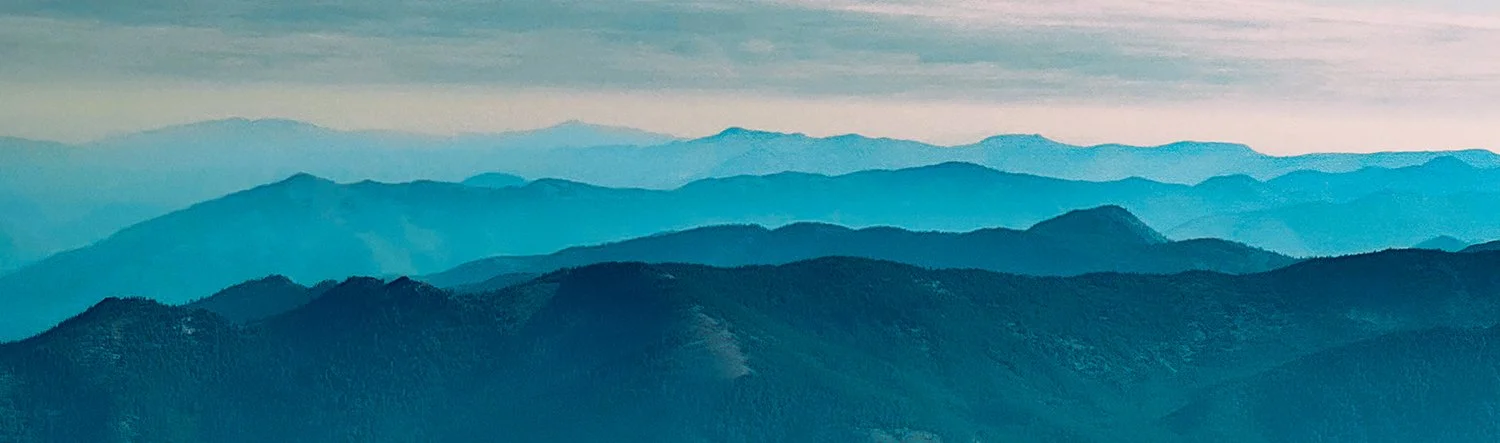
Boise National Forest