

Stibnite and the Antimony Argument
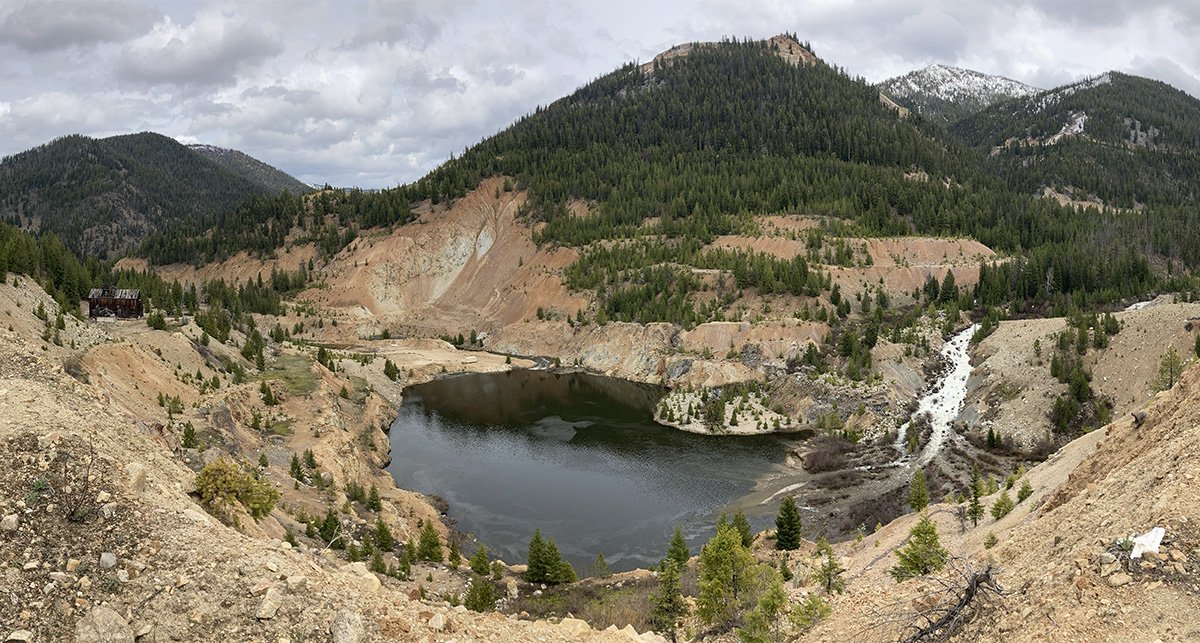
Stibnite Mine site // Photo: Brooke Hess
Perpetua Resources and the Stibnite Gold Mine are back in the news following an announced partnership with the Idaho National Laboratory (INL) for a pilot-scale testing program to produce antimony trisulfide for U.S. military munitions. This program is part of a broader partnership between Perpetua and the U.S. Army to try and create a domestic source of antimony and other critical minerals.
Despite the announced program being heralded as a major step forward, validating the project's feasibility and domestic importance, Perpetua stated that only about 10% of the antimony produced each year would be sent to INL for refinement. What happens to the other 90%? At present, the U.S. does not have a refinery capable of processing the antimony at Stibnite, meaning most of the ore would likely be shipped overseas for refining before re-entering the supply chain anytime soon.
The argument for the ‘importance’ of the Stibnite project relies heavily on its antimony and securing a domestic supply chain. Yet even that reality remains to be seen. First and foremost, Perpetua Resources has not yet proven that the antimony they intend to recover can actually be refined to meet military specifications. Until processing and testing are completed, there is no guarantee that antimony from Stibnite can be used for military purposes at all. Making the argument that we need this mine for national security reasons, quite a stretch.
Even if the antimony proves usable, the scale of the supply will not go as far as headlines suggest. The media often highlights figures exceeding 150 million pounds of antimony, but this refers to estimated mineral reserves, not actual production. According to Perpetua’s own financial disclosures, the mine is projected to produce approximately 106.5 million pounds of antimony over the entire life of the project.
To put that number in perspective, according to the U.S. Geological Survey, the United States consumed roughly 24,000 tons of antimony in 2024. This equates to about 48 million pounds per year. In other words, the entire Stibnite supply would cover just over two years of current U.S. demand. That is not a long-term solution, and it does not protect the country from future supply disruptions.
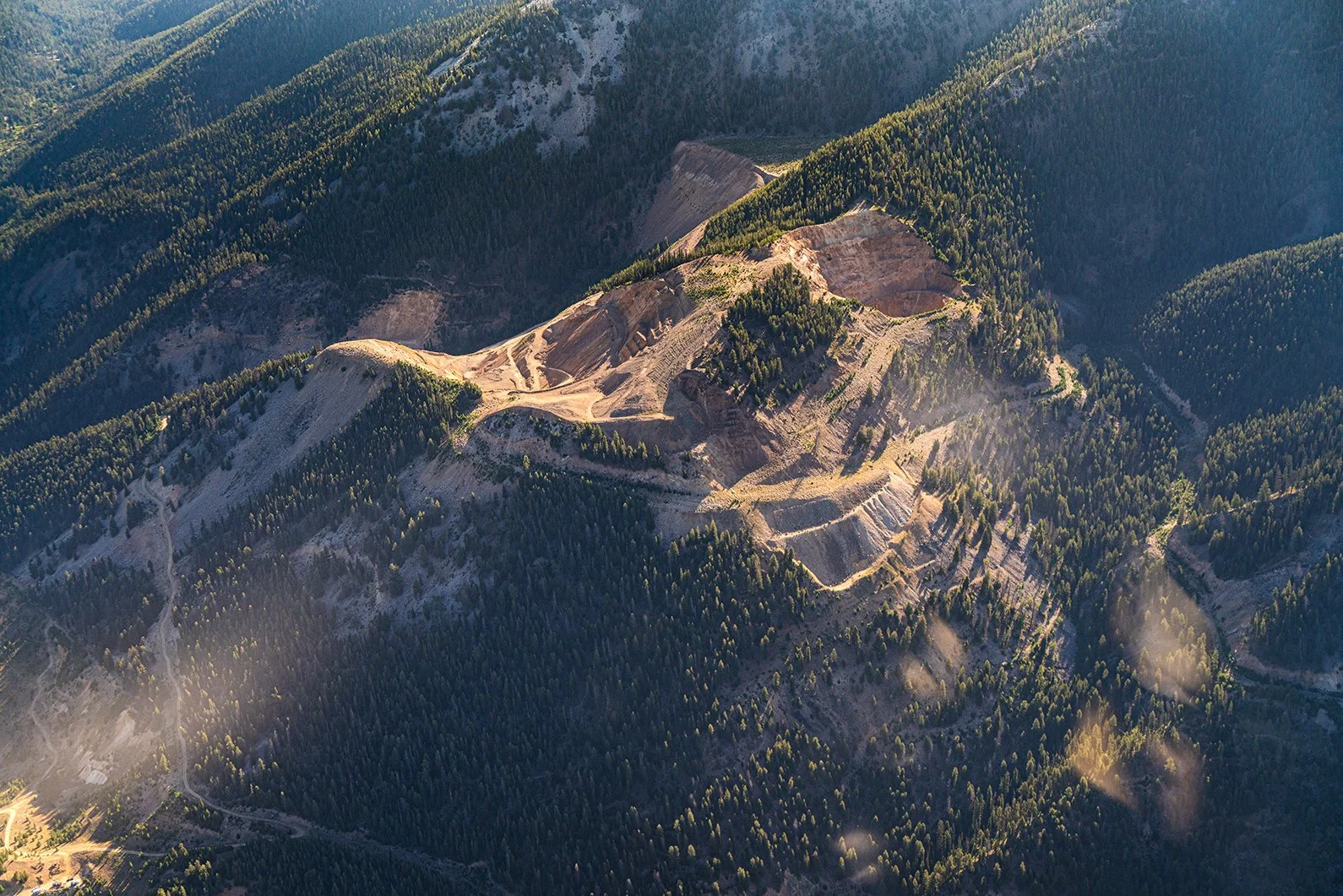
When it comes to the importance of the Stibnite Gold Project, here is what we know: the volume of antimony is limited, domestic refining capacity is insufficient, suitability for military use is unproven, and yet the environmental costs are permanent. The East Fork of the South Fork of the Salmon River would bear the burden of industrial-scale mining long after the last pound of antimony is extracted.
We must ask ourselves, is this relatively small amount of antimony really worth the cost of changing the landscape of the East Fork of the South Fork of the Salmon River for generations, or possibly forever? We know that this mine, first and foremost, is a gold mine. Antimony is purely a convenient byproduct that allows this massive gold project to masquerade as a national security priority. This is not a question of whether antimony is important. But importance alone does not justify the degradation of this magnitude to an irreplaceable river system.