

New Report on Economic Implications of LSR Dam Removal
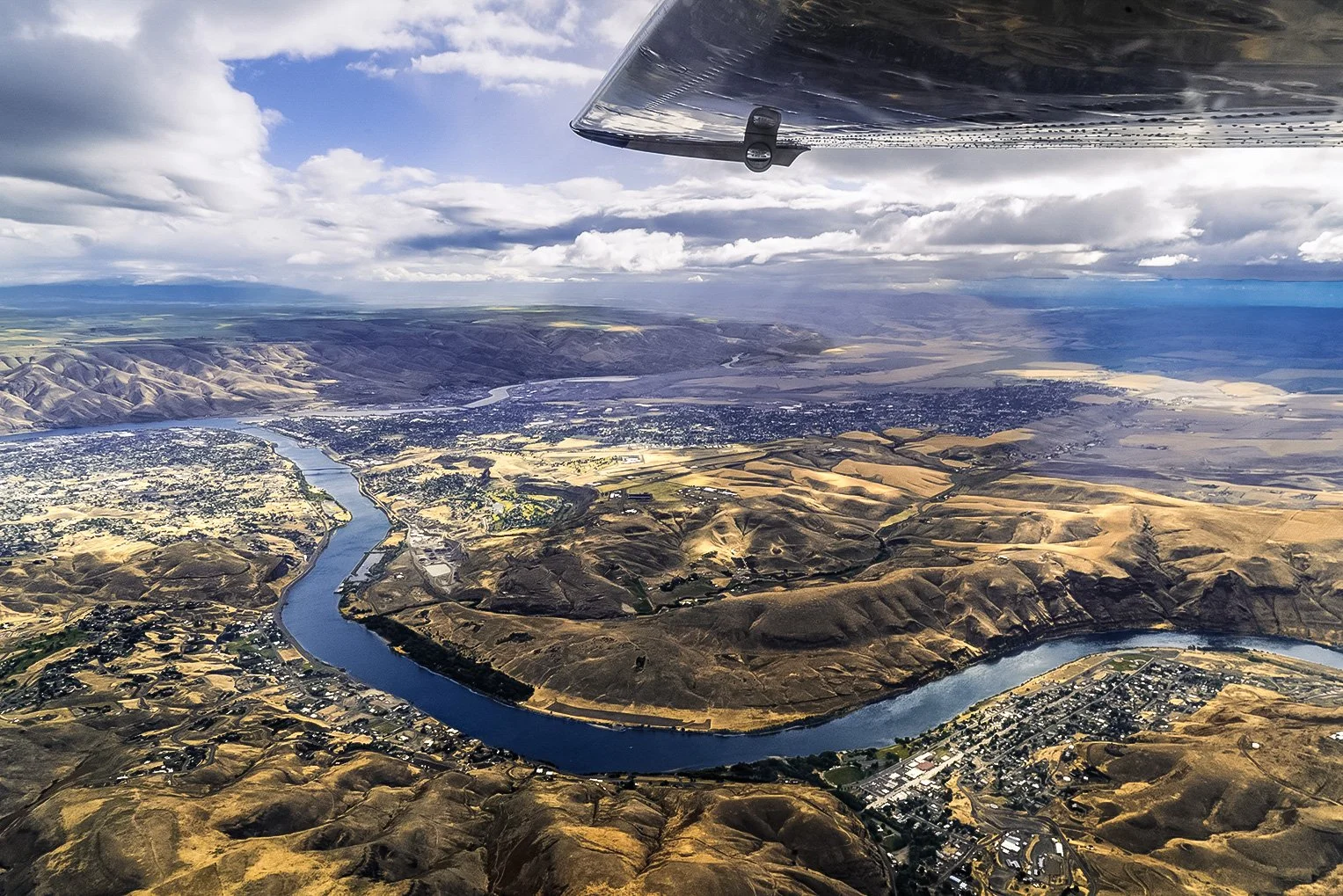
Photo: Ecoflight
Heads up for those in the Lewiston/Clarkston area:
Join Idaho Rivers United and the Idaho Outfitters and Guides Association on the evening of August 3rd in Lewiston, and August 5th in Clarkston, for a presentation and discussion around the economic opportunity associated with services replacement of the Lower Snake River Dams, and restoration of the river and fishery as a local and regional resource.
We're excited to share new research that helps answer a question we've asked for years: what would removing the four Lower Snake River dams actually mean for the communities that host them?
Today, IRU, in partnership with Headwaters Economics, is releasing "Economic Implications of Lower Snake River Dam Removal," an analysis focused specifically on the economies and opportunities facing Nez Perce (ID) and Astoin (WA) counties.
Here's what the research found:
Dams aren’t driving the local economy
The region's largest employers, government, healthcare, and manufacturing, have no meaningful connection to the dams. Dam-connected sectors such as farming, utilities, transportation, and agricultural services have been essentially flat for two decades and account for just 7.6% of total employment. Only about 260 federal jobs are directly tied to dam operations.
The local economy is lagging
Despite broader prosperity across eastern Washington and northern Idaho since 2001, Nez Perce and Asotin counties have fallen behind on nearly every key economic measure. The region is aging fast. 73% of the population growth between 2010 and 2024 came from residents aged 65 and older, and it attracted new residents at less than half the rate of the broader region. These trends exist independently of any decision about the dams.
Dam removal does not disrupt local economies
A statistical analysis of 24 comparable dam removal projects nationwide found no significant negative effects on employment, population, or earnings per job. In fact, dam removal was associated with modest improvements in per capita income and non-labor income growth. Forecasts specifically for Nez Perce and Asotin counties suggest removal would produce outcomes comparable to — or slightly better than — leaving the dams in place.
Energy replacement is within reach
According to BPA, the four dams generate roughly 700 average megawatts annually, about 10–12% of BPA's energy supply. While substantial, comparable generation capacity is being developed across the country through wind, solar, and nuclear projects as you read this. Any electricity rate increases from replacement are estimated to be modest, and must be weighed against the growing costs of dam operations, maintenance, and fish and wildlife mitigation that are already built into your electricity bill.
Join us on Tuesday, June 16th at 5 pm MST for a webinar where we will review the findings and answer your questions about the report.
This research represents an important step toward an honest, community-focused conversation about the future of the Lower Snake River. We're grateful to Headwaters Economics and to all of you for your continued support of this critically important work.
